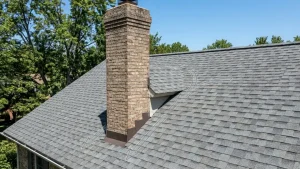
If you’ve heard a roofer mention ice and water shields, it’s usually because they’re thinking about the places roofs fail first: edges, valleys, and penetrations. In Maryland, that matters. We get heavy rain, wind-driven storms, and freeze-thaw cycles that can push water where shingles alone weren’t designed to stop it.
Ice and water shield is one of those “invisible” materials that homeowners don’t see after the job is done, but it can make a very real difference in leak prevention and long-term roof performance.
What ice and water shield is
Ice and water shield is a self-adhering, waterproof membrane (a peel-and-stick underlayment) installed directly onto the roof deck in key leak-prone areas. Unlike standard felt or synthetic underlayment, it seals around nails and creates a watertight barrier.
How ice & water shield works under shingles
Think of your roof as a system:
- Shingles shed most water
- Flashing handles transitions
- Underlayment is the backup layer
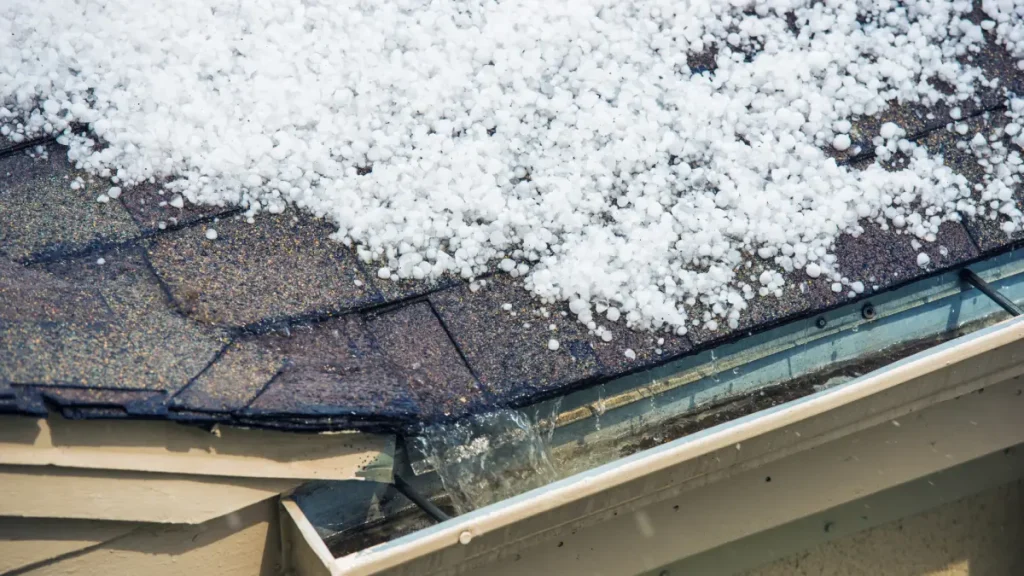
Ice & water shield is the “highest level” backup layer in the areas most likely to see water intrusion. When wind-driven rain gets under shingles or, when ice dams force water to back up, this membrane helps stop that water from reaching the wood deck.
Do I need ice & water shield in Maryland?
Many Maryland roofs benefit from it at eaves and valleys, especially on complex rooflines or homes with a history of leaks. The best answer depends on roof design and exposure.
Does ice & water shield prevent leaks?
It helps reduce leak risk if water gets under shingles, but it doesn’t replace proper flashing, ventilation, and correct installation.
Is ice & water shield required?
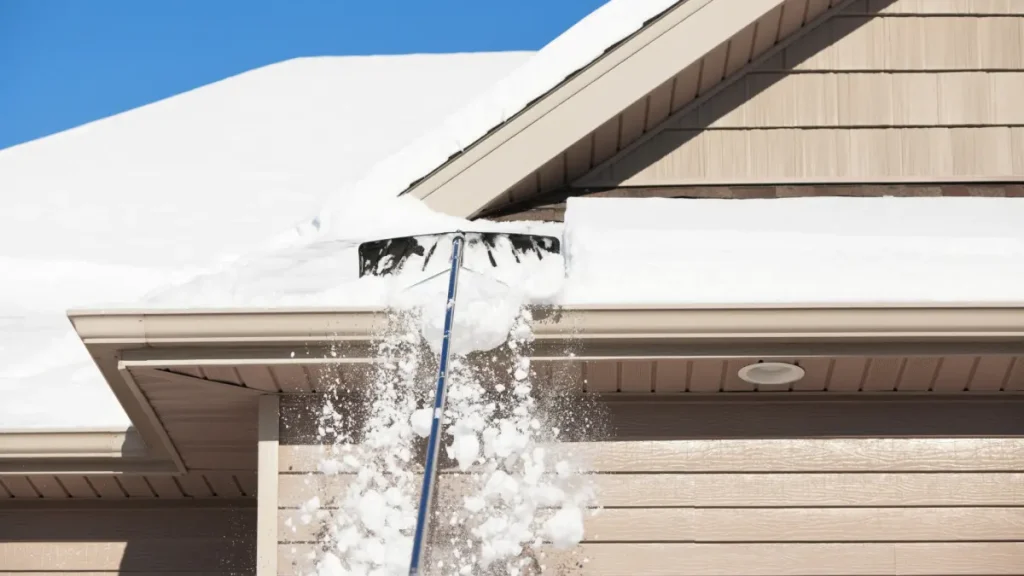
Requirements vary by local code and roof conditions. A roofer should explain what’s required and what’s recommended for added protection.
If you’ve had repeated leaks near a valley, chimney, or roof edge, ask Fifth Sun Roofing or a roofing contractor near your area to review those specific components and explain what’s happening.