A hot attic is usually a ventilation balance problem. Exhaust vents (like box vents or whirlybirds) can only remove hot air if there’s enough intake ventilation (typically soffit vents) feeding cooler air in. If intake is blocked, vents are under-sized, or the roof has the wrong vent type for the layout, heat and moisture build up fast especially during Maryland’s humid summers.
Why roof ventilation matters (beyond comfort)
Poor ventilation isn’t just annoying, it can shorten the life of your roof system. When heat and moisture get trapped, you may see:
- Higher cooling costs
- Musty odors or mold risk in the attic
- Premature shingle aging (curling, cracking, granule loss)
- Warped roof decking over time
- Ice-dam risk in winter on certain homes (warm roof deck + cold eaves)
Box vents vs whirlybirds: what they are
Box vents (static vents)
Box vents are non-moving exhaust vents installed near the upper portion of the roof. They rely on natural convection and wind passing over the roof to help pull hot air out.
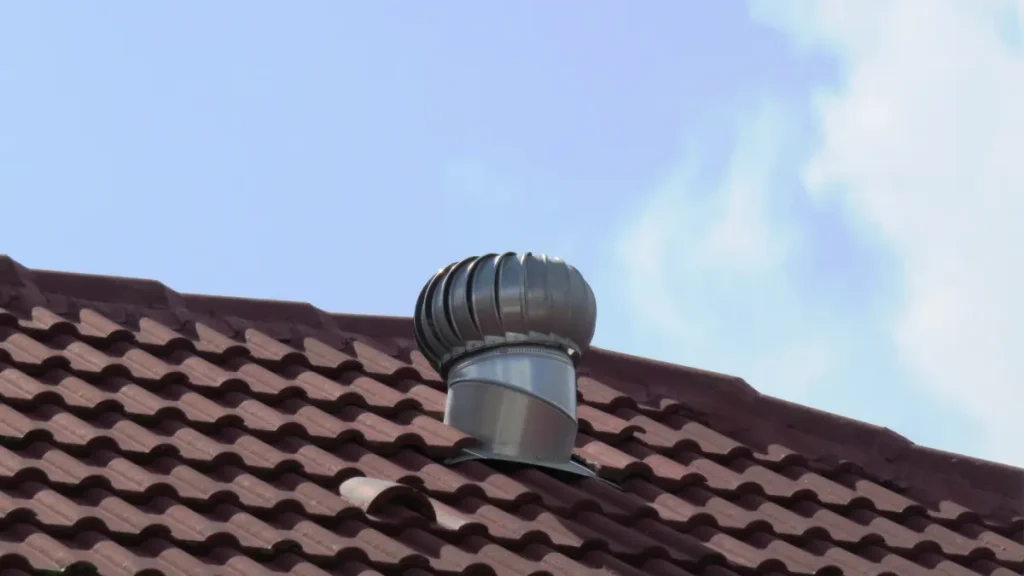
Whirlybirds (turbine vents)
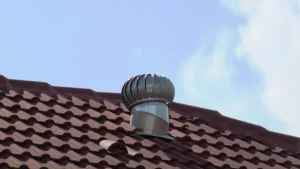
Whirlybirds are wind-driven turbine vents. When wind hits the turbine, it spins and can increase exhaust airflow—if the vent is working properly and the attic has adequate intake.
Common box vent problems (and what they cause)
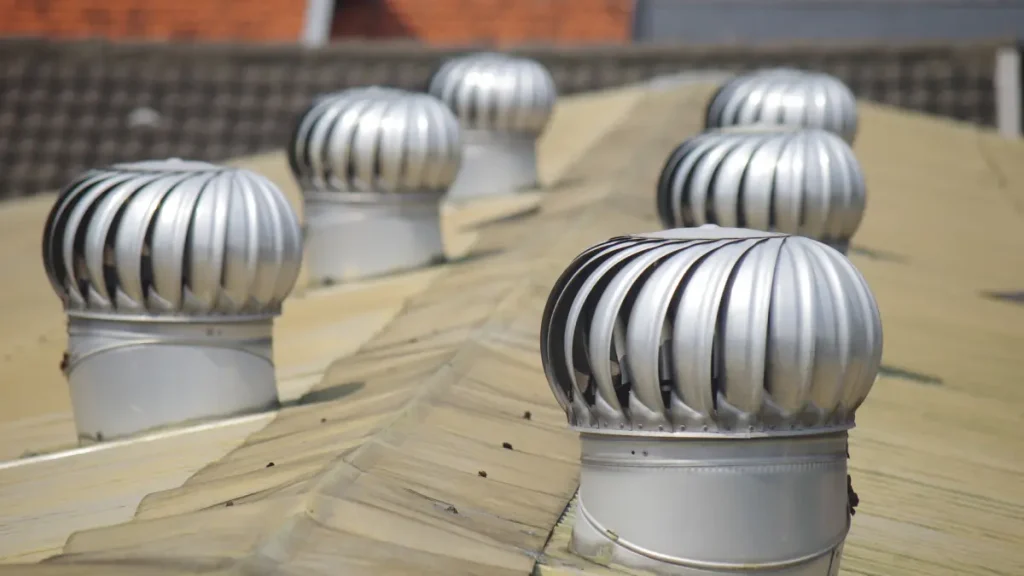
Not enough box vents for the attic size
If there aren’t enough vents, the attic simply can’t exhaust heat at the rate it builds up.
What you might notice: the attic feels like an oven, the second floor stays warmer, and the AC runs constantly.
Box vents placed too low on the roof
Exhaust vents work best near the top where hot air collects. If vents are installed too low, they may vent warm air but leave the hottest layer trapped near the ridge.
Intake is blocked (so the box vents can’t do their job)
This is the most common issue. If soffit vents are painted over, clogged with insulation, or missing, box vents can start pulling air from the wrong places.
What you might notice: dusty attic, uneven temperatures, lingering humidity.
Common whirlybird (turbine) vent problems
Turbine vent not spinning (or barely spinning)
A turbine that doesn’t spin isn’t providing the airflow you expect.
Common causes:
- Worn bearings
- Debris buildup
- Bent fins from storms
- Poor wind exposure due to roof location
Noise (squeaking, rattling, humming)
Noise usually points to bearing wear or a loose unit. It’s also a sign the vent may be near the end of its useful life.
Whirlybird pulling conditioned air from the home
If attic intake is insufficient, a turbine can create negative pressure and pull air from the path of least resistance—sometimes from the house through attic bypasses.
What you might notice: higher energy bills, drafts, or dusty air.
Leaks at the base flashing
Like any roof penetration, turbine vents can leak if flashing is installed incorrectly or if the unit is aging.
What to expect from Fifth Sun Roofing (Maryland)
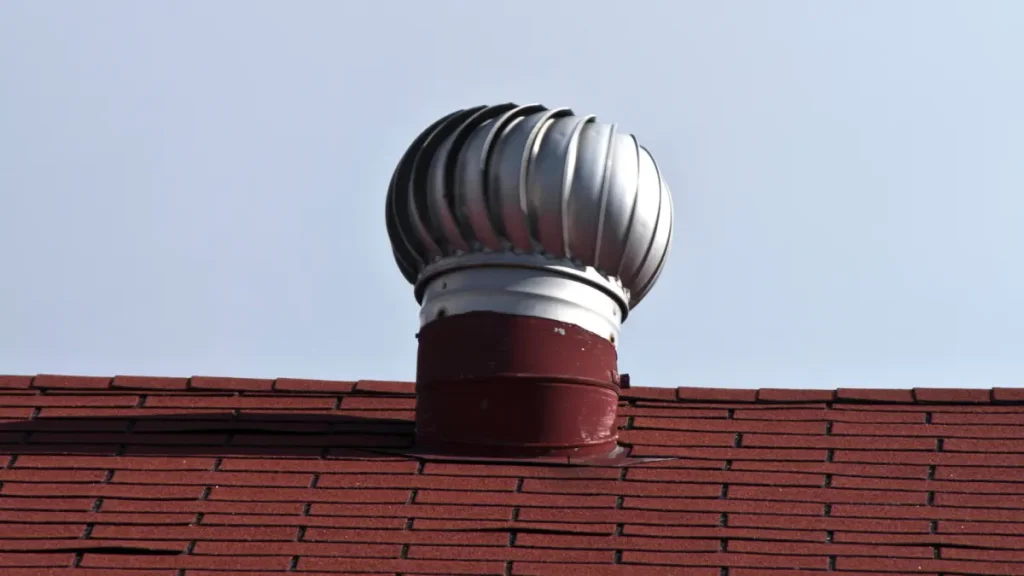
When Fifth Sun Roofing evaluates box vents and whirlybirds on Maryland homes, we don’t just look at the vent itself, we assess the entire roof ventilation system to make sure everything is working together. That includes checking whether your attic has enough intake ventilation (and whether it’s blocked), reviewing the exhaust type, quantity, and placement, and looking for signs of moisture buildup or heat damage in the attic.
If your attic is overheating, your home feels harder to cool, or you’re noticing musty attic odors, it’s worth getting your ventilation checked.
Schedule a roof ventilation inspection with Fifth Sun Roofing in Maryland and we’ll help you pinpoint the problem and the right fix.