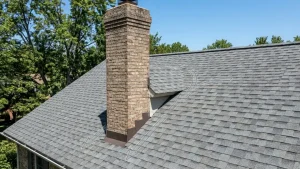
A chimney diverter (also called a chimney cricket) is an inverted “V” structure built on the uphill side of a wide chimney. Its job is simple: split and redirect water around the chimney so it doesn’t pool behind it. When water and debris collect in that spot, leaks and hidden wood damage can happen fast.
Why chimneys are one of the most common roof leak areas
A chimney is a large interruption in the roof surface. Instead of water flowing straight down the shingles, it has to move around a vertical structure with multiple seams and transitions.
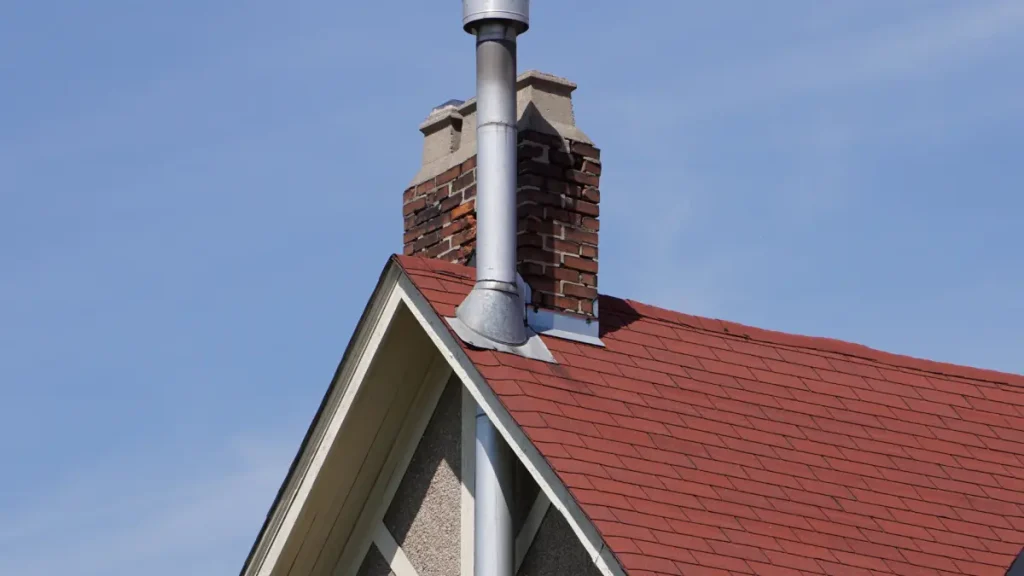
That creates two problems:
- Water concentrates at the chimney’s uphill side during heavy rain.
- Flashing details matter more because there are more edges where water can sneak in.
What a chimney cricket does
Think of a cricket like a small “roof” built behind the chimney. It creates two sloped planes that guide water:
- away from the chimney’s back side
- toward the left and right sides
- back onto the main roof surface where it can drain normally
Is a chimney cricket the same as a chimney diverter?
Yes. Many homeowners call it a chimney diverter because it diverts water around the chimney.
Does every chimney need a cricket?
Not always. It’s most useful on wider chimneys or roofs where water tends to pool behind the chimney.
Can a chimney cricket stop leaks by itself?
It helps a lot, but it works best as part of a complete chimney waterproofing system: proper underlayment, shingles, and correctly installed flashing.
How chimney crickets are built (high level)
A proper cricket is framed and waterproofed as part of the roofing system. While the exact method varies by roof and chimney, the key principles are:
- A solid, properly sloped structure behind the chimney
- Underlayment and (often) ice & water shield in the cricket area
- Correct integration with shingles and chimney flashing
- No shortcuts that rely on surface caulk as the primary defense
The goal is a layered system that sheds water naturally.
Why “just caulking it” usually fails
Caulk can crack, shrink, and separate over time—especially with temperature swings. If water is pooling behind a chimney, caulk is often fighting a losing battle.
A cricket helps solve the root issue by reducing pooling and constant saturation.
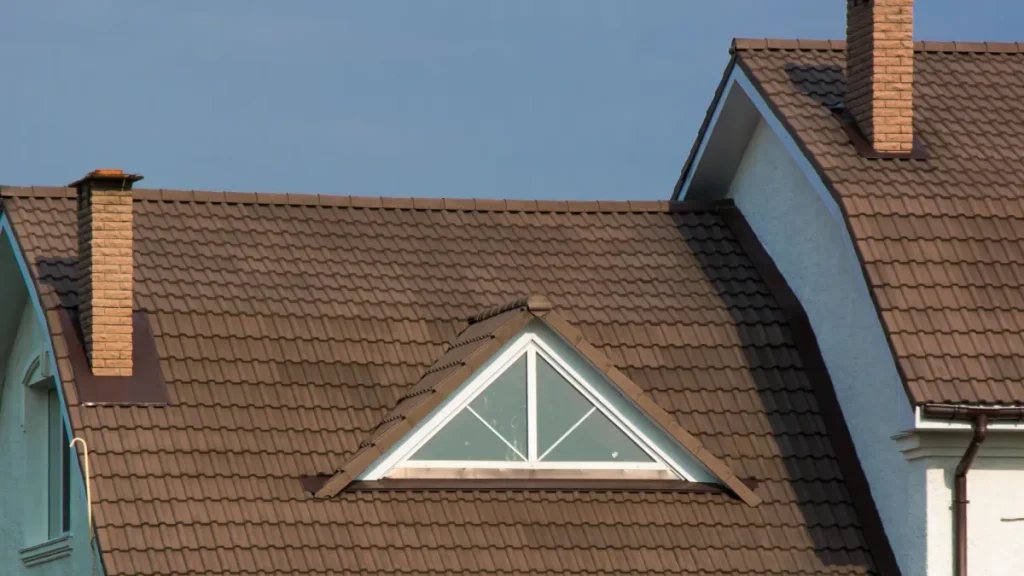
If you’re dealing with a roof leak behind the chimney or you keep seeing debris and water collect in that area, a chimney cricket may be the missing piece.
Schedule an inspection with Fifth Sun Roofing in Maryland and we’ll help you confirm whether you need a cricket, flashing repair, or both.