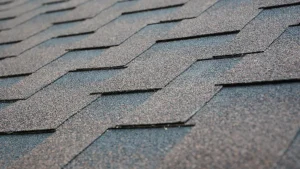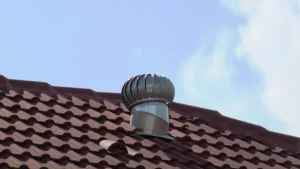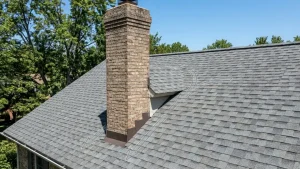
Asphalt shingles aren’t the same product they were 20–30 years ago. Today’s shingles are built with better materials, stronger bonding, and more precise installation requirements, because homeowners expect roofs to last longer, handle stronger storms, and protect the value of the home.
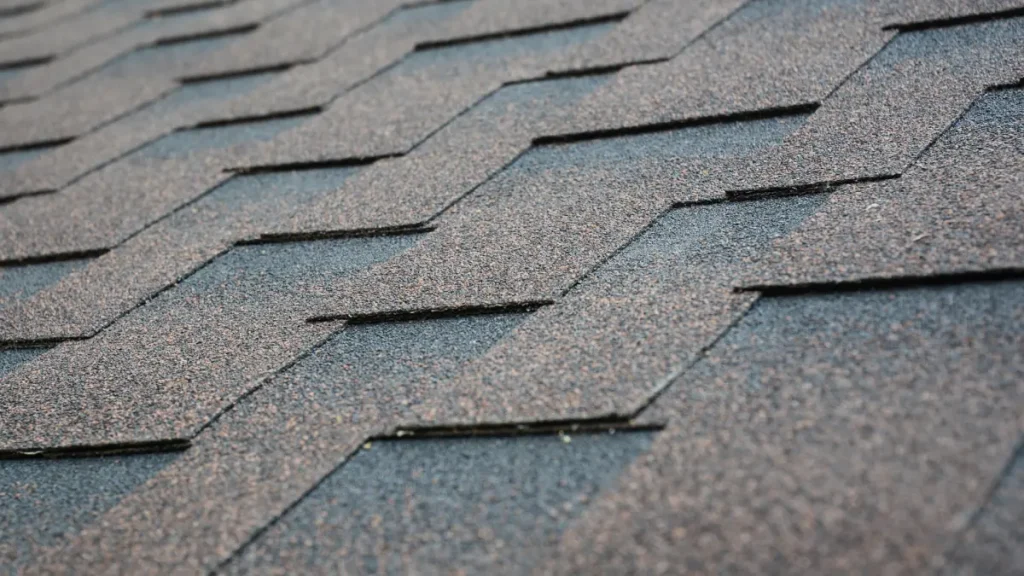
In simple terms, modern shingle “technology” is about performance: resisting wind uplift, shedding water reliably, and standing up to sun and temperature swings without cracking or losing granules.
If you’re investing in a new roof, it helps to understand that shingles work as a system. The field shingles you see are only part of the protection. One of the most overlooked components is the starter shingle, the first row along the eaves and rakes that helps lock the roof down and seal the edges.
The anatomy of a modern asphalt shingle
Most modern shingles are made to do three big jobs: protect from water, resist wind, and survive UV exposure.
- Fiberglass mat core: This is the “backbone” that gives the shingle strength and stability.
- Asphalt coating: Helps waterproof the shingle and adds durability.
- Granules: The gritty top layer protects against UV damage and adds fire resistance. Granule quality and adhesion matter more than most homeowners realize.
- Sealant strip: A factory-applied adhesive that bonds shingles together once warmed by the sun, improving wind resistance.
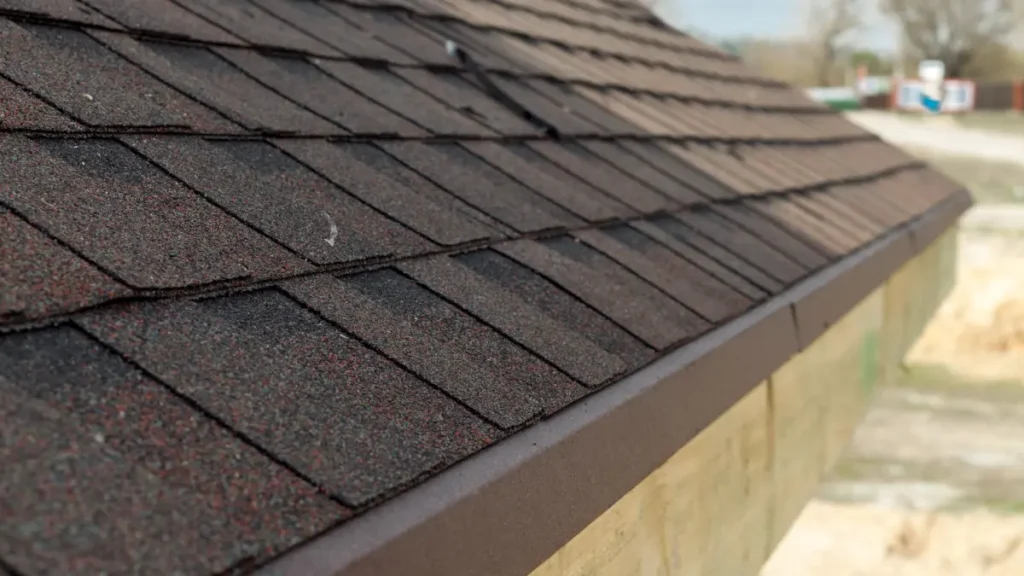
When these parts work together and the roof is installed correctly, the shingle layer becomes a tough, overlapping barrier that sheds water down the roof and into the gutter system.
Starter shingle: the small strip that makes a big difference
A starter shingle is installed along the eaves (bottom edge) and often along the rakes (sloped edges). It’s designed to do two critical things:
- Seal the first course of shingles so wind-driven rain can’t easily get underneath.
- Improve wind resistance by providing the right adhesive placement at the roof edge where uplift forces are strongest.
Homeowners often assume the starter row is “just another shingle.” It isn’t. Starter shingles are engineered so the adhesive strip lands in the correct position to bond the first row of field shingles. That bond helps prevent edge lifting, shingle blow-offs, and the chain reaction of damage that can follow.
Shingles are a system: what else must be right for performance?
To protect your investment, shingles need support from the rest of the roof system:
- Underlayment: Secondary water-shedding layer under the shingles.
- Ice & water shield (where needed): Extra protection in leak-prone areas.
- Drip edge and gutter apron: Helps control water at the roof edge.
- Flashing: Seals transitions and penetrations.
- Ventilation: Keeps attic heat and moisture under control.
If any of these pieces are missing or installed incorrectly, even “premium” shingles can underperform.
Do better shingles always mean a longer-lasting roof?
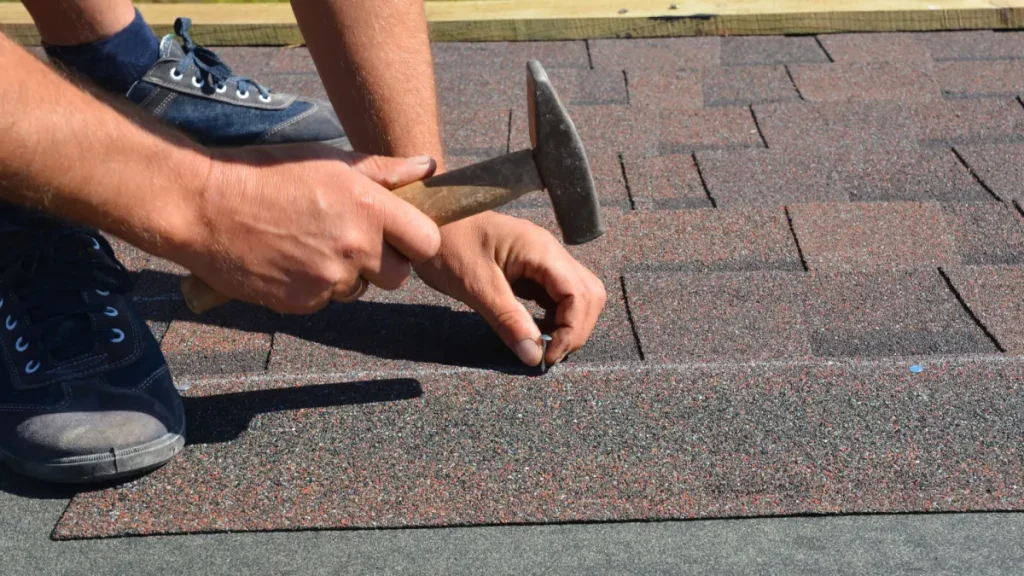
Not automatically. Shingle quality matters, but installation quality and the supporting roof system (underlayment, flashing, ventilation, edge details) often determine real-world lifespan.
If you’re planning a roof replacement, or you’re concerned your current roof isn’t holding up, get a professional evaluation before small issues turn into expensive repairs. A proper inspection should look at the shingles and the starter shingle details, because the roof edge is one of the most common failure points.
Contact Fifth Sun Roofing in Maryland to schedule a roof inspection.