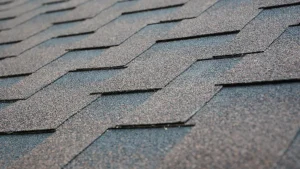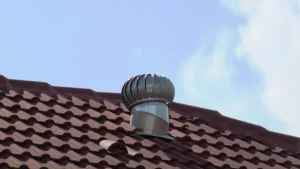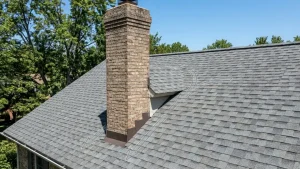
Maryland homes commonly have rooflines with valleys (the inside “V” where two roof slopes meet) because so many local designs include attached garages, dormers, additions, and multi-level layouts. Under the shingles, a valley isn’t just a roofing detail; it’s a framing system made up of key components like the valley rafter, jack rafters, roof decking, and the connections that keep everything straight and supported.
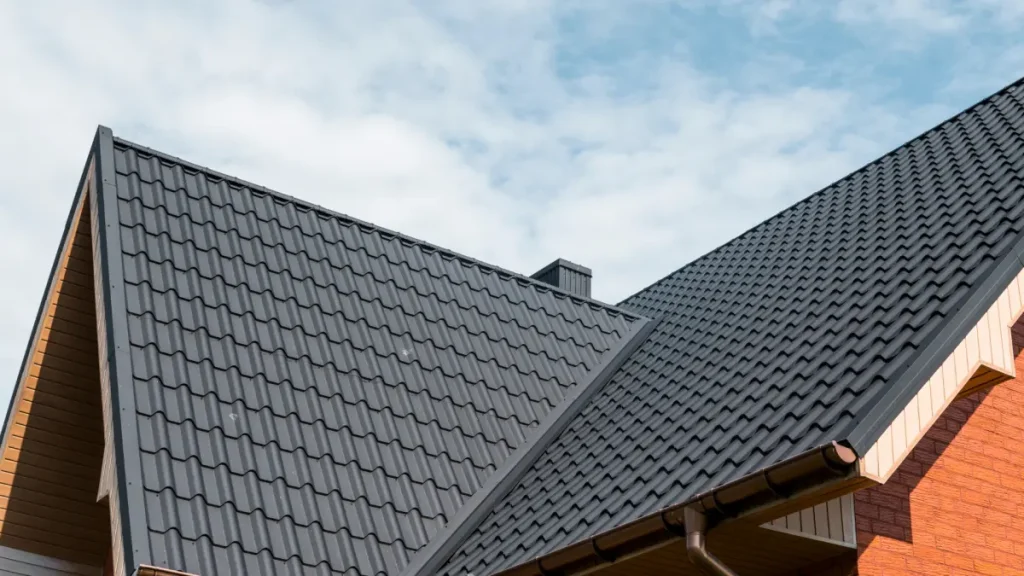
Since valleys also carry a high volume of water during Maryland storms and heavy rain, understanding how these components work together helps homeowners spot early warning signs (like sagging, staining, or recurring leaks) before small issues turn into bigger repairs.
Do you have a hip and valley framing problem?
Hip and valley areas are where roof planes meet and water flow concentrates. That means these spots are more likely to show problems first, especially if you’ve had leaks, storm damage, or long-term moisture. If you’re seeing sagging along a valley line, recurring valley leaks, or cracks inside near roof intersections, it’s worth getting an inspection before minor damage turns into structural repairs.
Key roof framing components in a hip & valley system
You don’t need to memorize framing terms, that’s why you hire a roofing contractor like Fifth Sun Roofing but knowing the basics helps you understand what an inspector is talking about.
Hip rafter
The main rafter that runs from the ridge down to the corner of the roof (the “hip” line). It carries load from the roof planes that meet at that outside corner.
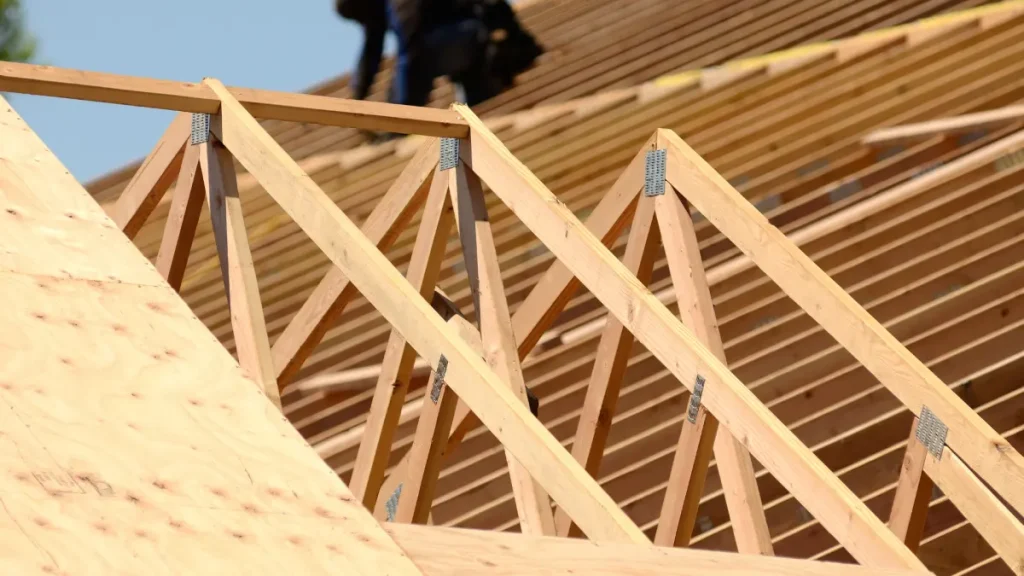
Valley rafter
The main rafter that runs along the inside intersection where two roof planes meet (the valley line). It supports the framing that feeds into the valley.
Jack rafters (hip jacks and valley jacks)
Shorter rafters that connect into the hip rafter or valley rafter. These are common around hips and valleys because the roof planes are changing direction.
Ridge board / ridge beam (varies by roof)
The horizontal member at the peak where rafters meet. Some roofs use a ridge board; others use a structural ridge beam depending on design.
Roof decking (sheathing)
The wood layer on top of rafters that shingles attach to. If a valley leak persists, decking near the valley can rot and lose strength.
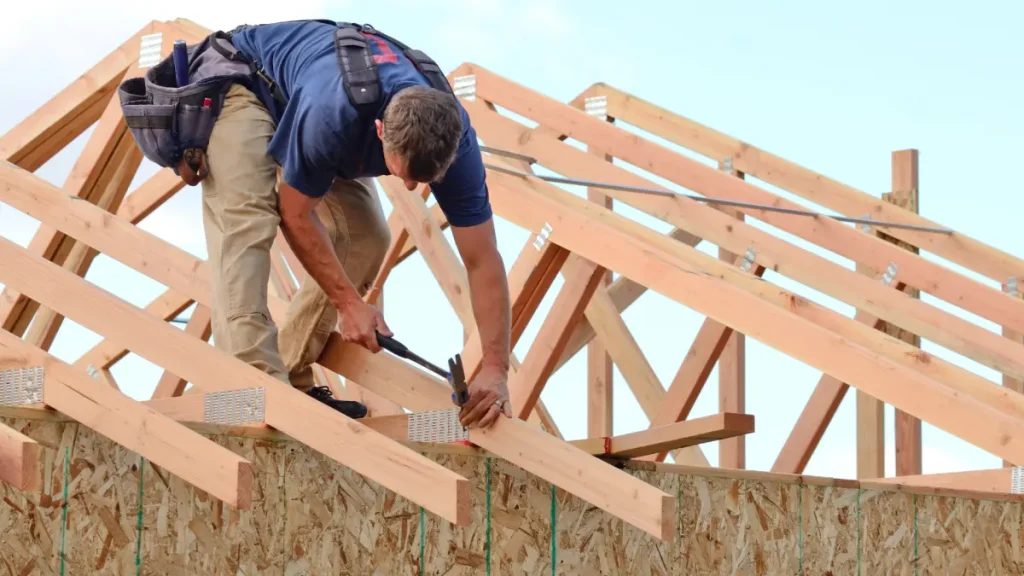
Connections and supports
Hangers, fasteners, bracing, and supports help keep the system tight and aligned. If moisture weakens wood or fasteners, movement can start.
How a roofer evaluates hip & valley framing issues
A proper inspection typically looks at both the roofing system and the structure underneath:
- Valley type and condition (open vs closed valley)
- Flashing, underlayment, and ice & water shield presence
- Shingle wear patterns along the valley line
- Decking condition around valleys (softness, staining, rot)
- Attic-side inspection where accessible (moisture, mold, framing condition)
The goal is to fix the cause (water entry) and confirm whether any structural components were affected.
Common hip & valley system problems (and what causes them)
Sagging along the valley line
What it can mean: weakened decking, deteriorated framing, or long-term moisture damage.
Common causes:
- Repeated valley leaks
- Rot at the valley rafter or adjacent decking
- Improper past repairs that didn’t address the leak source
Recurring roof valley leaks
Valleys handle a lot of water. If a valley leak keeps coming back, the issue may be more than “bad shingles.”
Common causes:
- Failed or missing valley flashing
- Missing/insufficient ice & water shield in the valley
- Nails too close to the valley centerline
- Debris buildup forcing water sideways
Soft spots near valleys or roof intersections
If the roof feels “spongy” in a localized area (never walk a roof unless trained and safe), it can indicate decking deterioration.
Common causes:
- Slow leaks saturating decking
- Rot spreading from the valley outward
Interior cracks near roof intersections
Cracks in drywall can happen for many reasons, but if you notice cracking that aligns with roof intersections (valleys/hips), it can sometimes point to movement.
Common causes:
- Long-term moisture weakening framing
- Structural movement from compromised supports
Staining, damp insulation, or musty odors in the attic
Valley leaks can travel before they show up. If you see moisture near valleys in the attic, act quickly and call an expert.
Are valleys more likely to leak than other parts of the roof?
Yes. Valleys carry a high volume of water and collect debris, so they’re one of the most common leak areas.
Can a valley leak cause structural damage?
It can. If water intrusion continues, decking and framing near the valley can rot and weaken.
If you’re concerned about hip and valley roof framing, or you’re seeing sagging or leaks around roof intersections, getting a clear diagnosis early can save a lot of money.
Schedule an inspection with Fifth Sun Roofing in Maryland and we’ll help you pinpoint the cause and the right fix.