Ice & water shield cost is usually driven by: How many linear feet/areas are covered, the roof complexity (valleys, dormers, penetrations) and deck repairs needed before installation. The best way to think about it: it’s often a small portion of the total roof replacement cost, but it can protect you from much larger repair bills later.
In Maryland, it’s commonly used to reduce risk from:
- Wind-driven rain
- Heavy downpours that overload valleys
- Freeze-thaw cycles that can contribute to ice dams in certain conditions
- Water backup at the eaves
The biggest factors that change ice & water shield cost
How much of the roof is covered
This is the #1 cost driver. Ice & water shield can be installed:
- Targeted (most common): eaves + valleys + penetrations
- Expanded coverage: eaves + valleys + more perimeter or problem areas
- Full-deck coverage: entire roof deck (not always necessary)
More coverage means more material and more labor.
Roof complexity (valleys, dormers, walls)
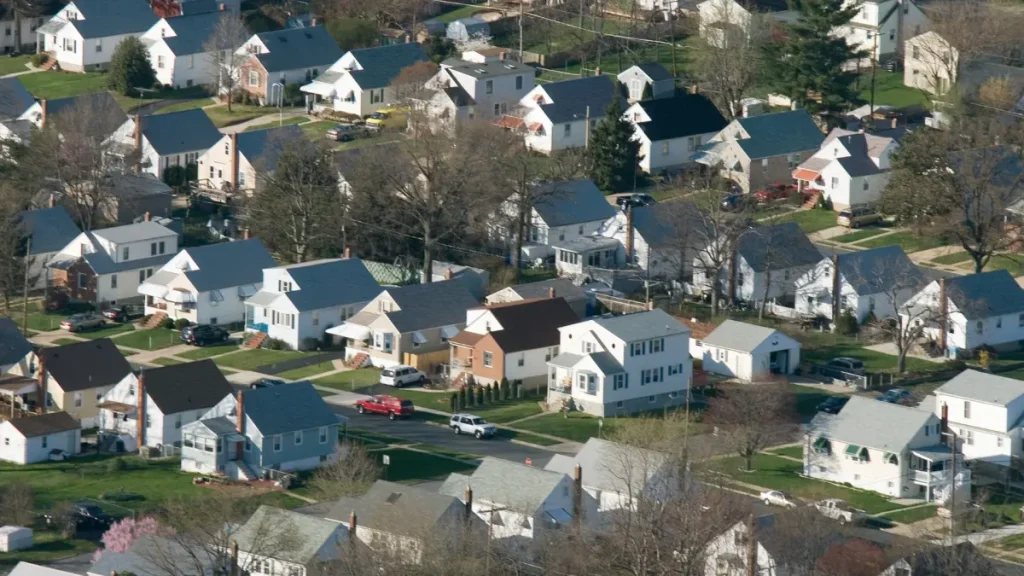
A simple roof has fewer cuts and transitions. A complex Maryland roofline with multiple valleys, dormers, sidewalls, and chimneys, takes longer to detail correctly. Even if the square footage is similar, complexity can raise labor time and waste.
Tear-off vs overlay and the condition of the deck
Ice & water shield is easiest (and cleanest) to install during a full tear-off. If the roof deck has rot or soft spots, the decking may need replacement first, which changes the scope.
Where ice & water shield is most worth it (high-value zones)
If you’re trying to control budget while still protecting the roof, these areas typically deliver the best ROI:
Eaves (roof edges)
Eaves are where water can back up and where wind-driven rain can sneak under the first courses of shingles. This is one of the most common places to see deck-edge deterioration over time.
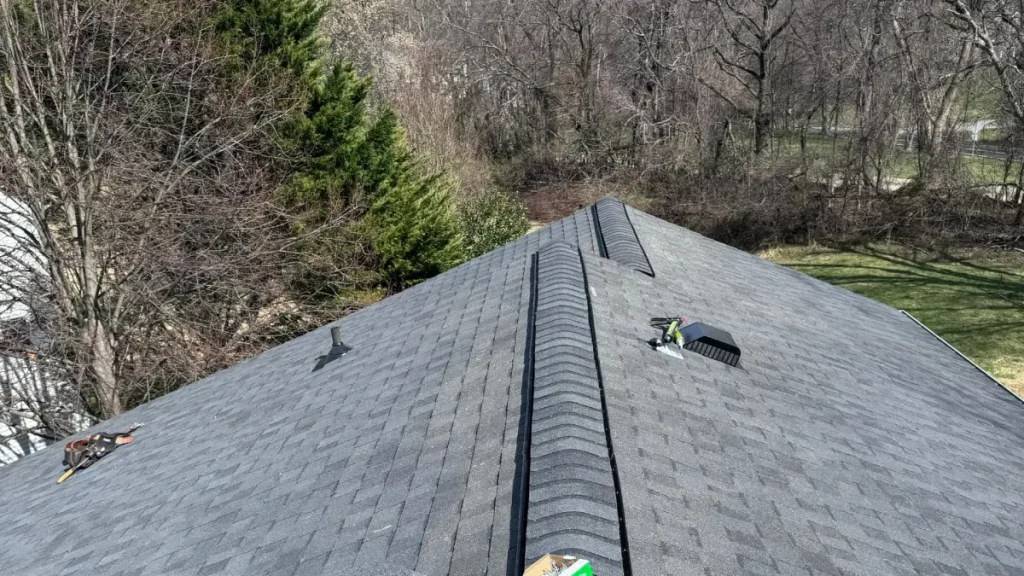
Valleys
Valleys carry a high volume of water. If anything is going to leak, valleys are high on the list especially during heavy Maryland storms. Ice & water shields in valleys add a strong secondary barrier under the valley detail.
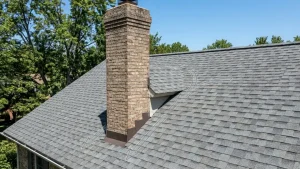
Chimneys and roof-to-wall intersections
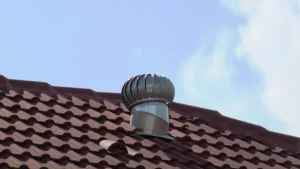
Chimneys and walls are transition points where flashing details matter. Ice & water shields can help if water gets past flashing due to storm conditions or aging materials. Penetrations (pipe boots, skylights)
Anywhere the roof is “punctured” is a potential leak point. A membrane layer helps reduce risk if a seal fails.
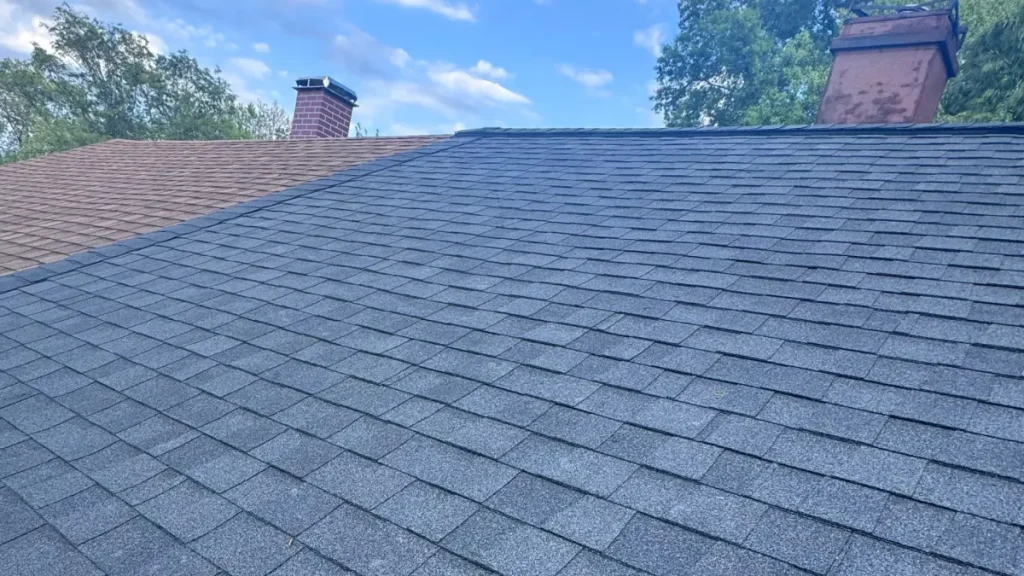
The takeaway is simple: ice and water shields are designed for the parts of the roof that get tested the hardest. In Maryland weather, that extra waterproof layer can be the difference between a roof that “should be fine” and a roof that stays dry when conditions get ugly.
At Fifth Sun Roofing, we treat the roof as a long-term asset, built to protect what you’ve built and perform season after season.