Where are the hip & ridge cap shingles in my roof?
In Maryland, where roofs take hits from wind, heavy rain, and seasonal freeze-thaw, ridge caps are one of the most common “small parts” that cause big problems when they fail.
Hip & ridge shingles, also called ridge caps, are the specialized shingles installed along the peaks (ridges) and angled outside corners (hips) of your roof.
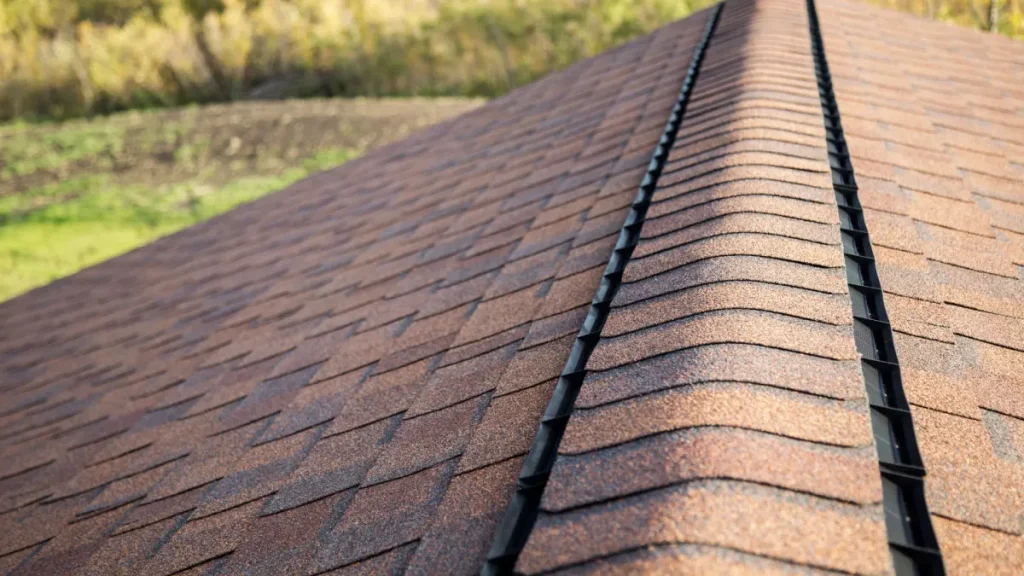
They’re designed to:
- Seal the most wind-exposed lines of the roof
- Protect the ridge/hip from water intrusion
- Create a clean finished look
- Help your roof system perform as intended (especially in storms)
Signs you need ridge cap repair or replacement
If you notice any of the issues below, it’s worth getting a professional inspection because ridge problems tend to worsen quickly.
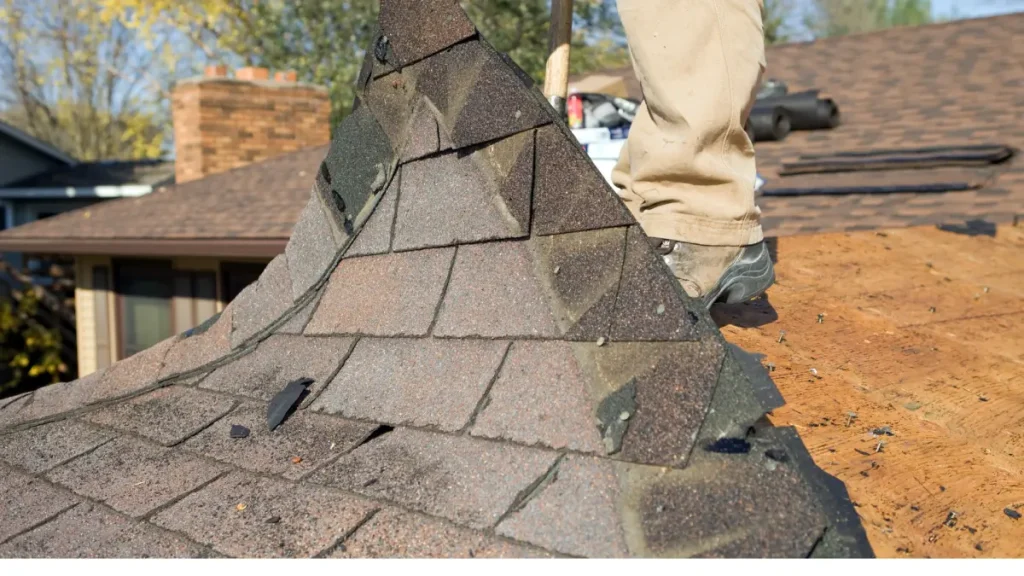
Ridge cap shingles are lifting or flapping in the wind
If caps look raised, curled, or you can see a shadow line under them, wind can get underneath and peel them back.
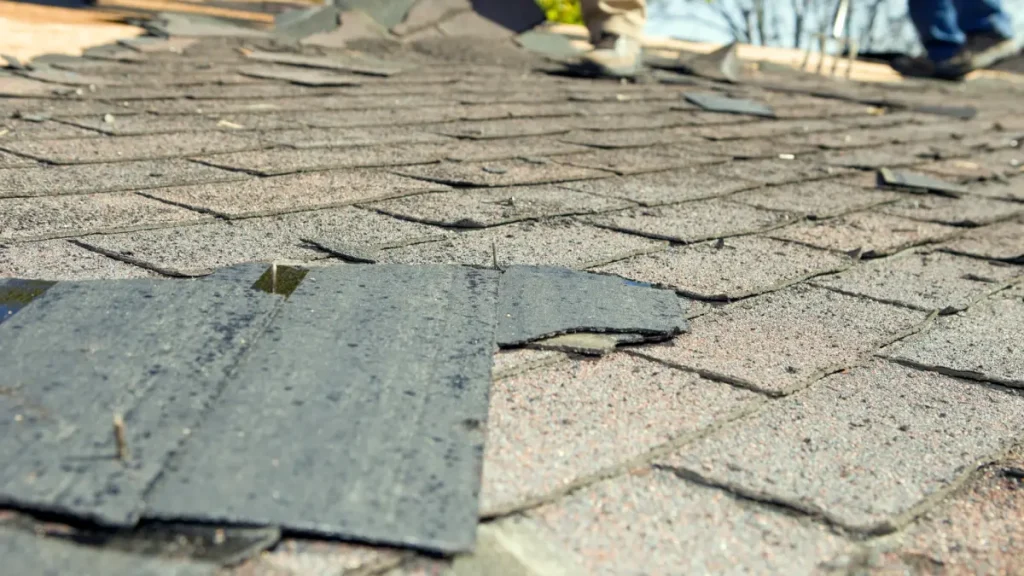
Missing ridge cap shingles
This is one of the most obvious signs. Missing caps can expose:
- Nail heads
- Underlayment
- Ridge boards or decking edges
Even one missing cap can allow water intrusion during a heavy rain.
Cracks, splits, or broken corners
Caps can crack from age, heat, or impact. Once cracked, water can work its way in, especially with wind-driven rain.
Exposed nails or nail pops along the ridge
Exposed fasteners are a common leak source. Over time, nails can back out due to: expansion/contraction, improper nailing depth and wind uplift.
Granule loss and “bald” areas on the ridge
The ridge gets the most sun and weather. If the caps look worn down compared to the field shingles, they may be nearing end of life.
Storm damage after high winds
After a Maryland windstorm, ridge caps are a common “first failure.” If you’ve had recent severe weather, a quick roof check can prevent a small issue from turning into a bigger repair.
Frequent Asked Questions About Ridge Cap Shingles
What causes ridge cap shingles to fail?
Ridge cap issues usually come down to one (or a combination) of these:
- Age and UV exposure (ridge caps often wear faster)
- Improper installation (wrong nails, wrong placement, over/under-driven nails)
- Not enough adhesive seal (especially in cold installs)
- Wind uplift and repeated storm cycles
- Poor ventilation/heat buildup (can accelerate shingle aging)
Can ridge cap shingles be repaired, or do they need full replacement?
It depends on the scope of the damage.
Can you replace ridge cap shingles without replacing the whole roof?
Often, yes if the roof is in otherwise good condition and the issue is isolated to the ridge/hip areas.
Why do ridge cap shingles blow off?
Common causes include high winds, improper nailing, weak adhesive sealing, and aging/brittle materials.
Ridge cap vs ridge vent (quick clarification)
Homeowners often mix these up:
- Ridge cap shingles: the shingles that cover and seal the ridge
- Ridge vent: a ventilation product that sits under ridge caps to let attic air escape
You can have ridge caps with or without a ridge vent. If you do have a ridge vent, it’s even more important that the ridge caps are installed correctly to prevent wind-driven rain from getting in.
Don’t wait for a $500 roof repair to become a $20K Full roof replacement in Maryland
If you’re seeing ridge cap shingles coming off, exposed nails, or signs of a roof ridge leak, it’s worth getting it checked before the next storm.
Schedule a roof inspection with Fifth Sun Roofing in Maryland and we’ll help you figure out whether you need a quick repair or a more complete ridge cap replacement.