A roof leak where a wall meets the roof is often caused by failed step flashing (or missing/incorrect roof-to-wall flashing). Step flashing is designed to move water down and away from that joint in small, overlapping layers. When it’s damaged, installed wrong, or sealed improperly, water can slip behind shingles or siding and leak into the home.
Common places step flashing leaks happen
You’ll often see step flashing issues at:
- Dormers
- Sidewalls (where a roof slope meets a vertical exterior wall)
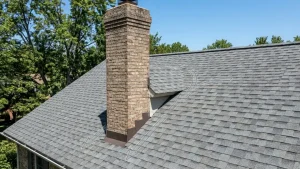
- Chimneys (often combined with counter flashing)
- Second-story walls over a first-story roof
- Additions where rooflines tie into existing walls
Why this leak is urgent (what can get damaged)
A roof-to-wall leak is far more than a minor nuisance; it is an urgent structural threat that can cause extensive damage by allowing water to bypass your home’s exterior and seep directly into the framing. Because moisture often runs undetected behind the siding, it can lead to rotten sheathing and decking at the roof’s edge, as well as rotted wall framing that compromises your home’s stability.
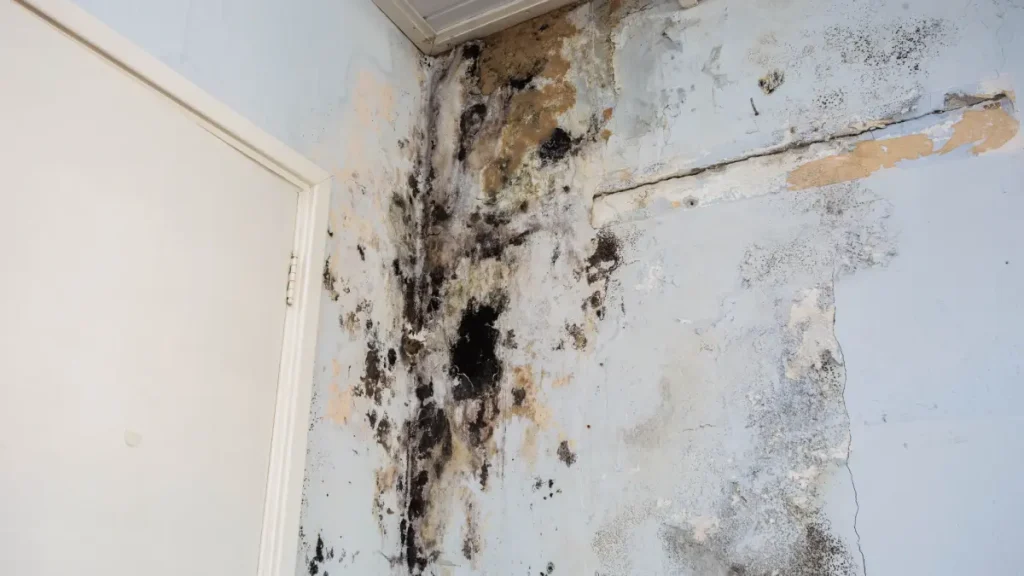
Beyond structural issues, these leaks frequently result in mold growth within wall cavities and saturated insulation, which significantly reduces your property’s energy efficiency.
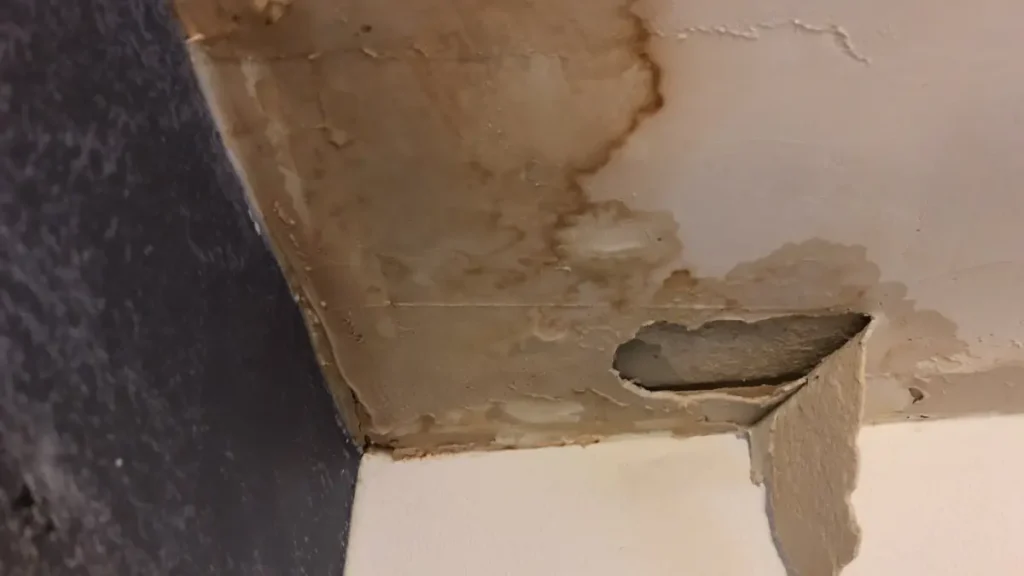
Left unchecked, the damage will eventually migrate inward to ruin interior drywall and paint. Addressing the problem immediately is the best way to ensure the fix remains a targeted, affordable repair rather than an invasive and costly rebuild.
If you’re dealing with a roof leak where the wall meets the roof, don’t let it turn into rot or mold behind the siding. Schedule a roof inspection with Fifth Sun Roofing in Maryland and avoid a full roof replacement before it’s too late!