If you’re dealing with leaks, it’s common (and honest!) mistake to focus only on the major roofing materials but even the smaller components like a gutter apron can make a big difference in protecting your home.
Here’s the truth: most roof leaks don’t start in the middle of the roof. They start at transitions, edges, flashing points, and drainage. And your gutter apron is one of the small construction details that quietly protects your home every time it rains.
What Is a Gutter Apron (and What Does It Do)?
A gutter apron is a type of metal flashing installed at the roof edge. It extends from the roof deck into the gutter, guiding water off the roof and directly into the gutter system.
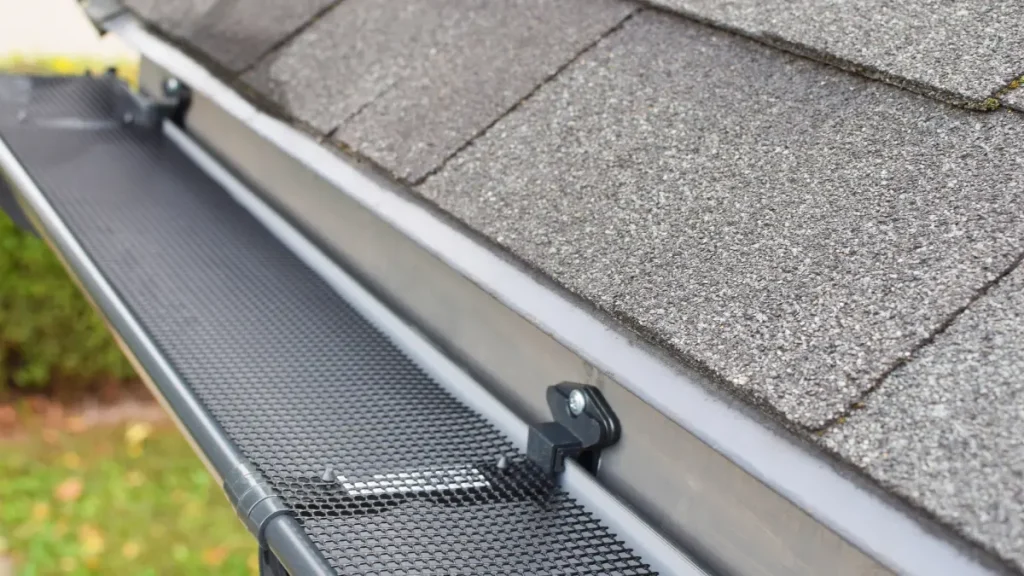
When it’s installed correctly, a gutter apron:
- Directs runoff into the gutter instead of behind it.
- Helps protect the fascia board and roof edge from repeated soaking.
- Reduces the chance of rot, staining, and hidden moisture damage.
This is why roofers treat gutter aprons as part of the roof system not just a gutter accessory.
Signs You Need a Gutter Apron (Before Damage Spreads)
Water is dripping behind the gutter
If you see water running down behind the gutter during rain, that’s one of the clearest signs you need a gutter apron. It usually means water is missing the gutter and soaking the fascia.
Fascia paint is peeling or the wood looks swollen
Repeated moisture exposure can cause: peeling paint, soft or swollen fascia boards, dark staining along the roof edge These are early warnings of rot, often caused by poor roof-edge water control.
You notice stains or mildew lines under the roof edge.
Staining under the gutter line can indicate chronic overflow or water tracking behind the gutter. If this is happening regularly, it’s a sign the roof-edge flashing strategy needs attention.
Gutters overflow even when they’re not clogged.
Overflow isn’t always a “dirty gutters” issue. It can be:
- Improper gutter pitch
- Wrong gutter size for the roof plane
- Water shooting over the gutter during heavy rain
- Poor roof-edge transition where water clings and runs backward.
A gutter apron can help control the water path, especially during heavy Maryland downpours.
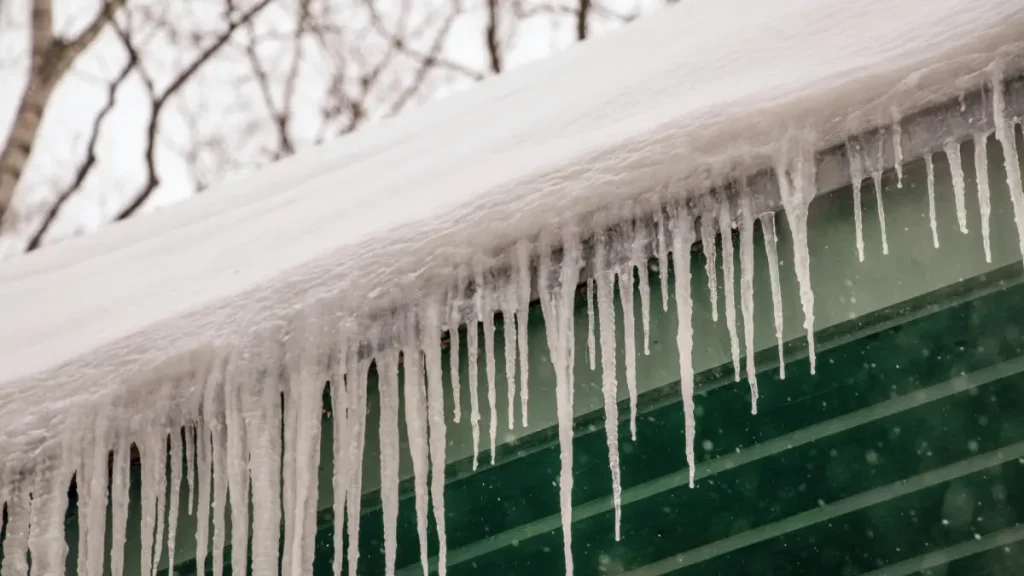
You’ve had ice dams or winter edge issues
Maryland freeze-thaw cycles can create edge problems like ice buildup at the eaves or water backing up under shingles. A gutter apron won’t “solve” ice dams by itself, but it can be part of a roof-edge plan that reduces water intrusion risk when conditions get harsh.
What’s the next step?
If you want a clear plan (not guesswork), Fifth Sun Roofing can inspect your roof edge and gutter line, explain what’s happening, and recommend the right fix for your home and Maryland weather. Contact us for a free inspection and estimate in 24 hours!